
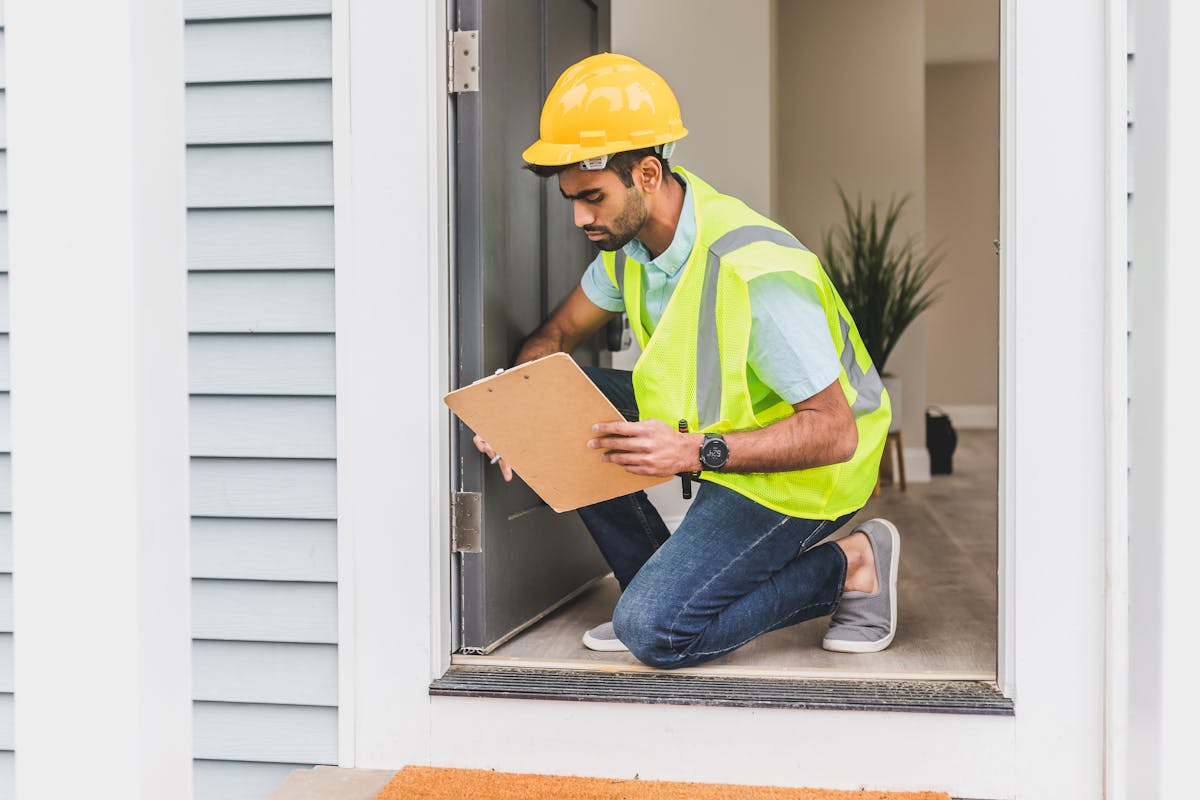
In short: This site does not verify every contractor, so ask any contractor for proof of license and insurance before work starts.
Licenses that matter for water damage work in NYC
| Kind of work | Who licenses it | When it applies |
|---|---|---|
| Home improvement work on residential property | NYC Department of Consumer and Worker Protection (DCWP) | Contractors doing home improvement work on a residential building, including repairs after water damage, generally need a Home Improvement Contractor license. |
| Plumbing: pipe, water heater and gas appliance repairs | NYC Department of Buildings licenses master plumbers | Fixing the pipe, riser, service line or heater is licensed plumber work. Water extraction and drying are not plumbing. |
| Mold assessment and mold remediation | New York State Department of Labor | Projects over 10 square feet require licensed mold professionals, and the assessor and remediator on a project must be independent of each other. |
| Work that disturbs paint in older housing | U.S. EPA lead-safe certification, plus NYC lead rules | Renovation that disturbs painted surfaces in homes built before 1978 must follow lead-safe work practices. |
Water extraction and drying usually don't require tearing into lead paint or asbestos. When a job would mean removing old plaster, flooring or pipe insulation in an older building, testing comes first.
How to check any contractor
Ask for proof
Ask for the license and a certificate of insurance before work starts. A legitimate company won't hesitate.
Look up the license
Check home improvement licenses on DCWP's website or by calling 311. Mold licenses can be checked with the NYS Department of Labor's licensed mold contractor search.
Check the insurance
A certificate of insurance shows general liability coverage and the policy dates. Buildings and co-ops often require to be named on it.
Get it in writing
Scope, price basis and payment terms in writing. Be wary of cash-only, pressure to sign immediately, or a demand for full payment up front.
What to Ask For Before Work Starts
Ask for a certificate of insurance and a written scope, so you know who is in your building and what they will do.
What insurance a water damage contractor should carry
- General liability covers damage the contractor causes to your property or injuries to others while working.
- Workers' compensation covers injuries to the contractor's own workers. New York requires most employers to carry it.
- Commercial auto covers the vehicles and equipment on the road.
Managing agents and co-op boards commonly require a certificate of insurance naming the building and the agent before a contractor starts. Give the contractor the exact names and address the board or agent wants listed, and get the certificate before work begins.
What this site does and doesn't do
Fordham Water Recovery connects callers with independent contractors. It does not extract water, dry buildings or make repairs, and the contractors are not its employees. Pipe and roof repairs belong to licensed plumbers and roofers. Mold projects over 10 square feet belong to licensed mold assessors and remediators. Read the full disclaimer.
Local note: Whether the job is a walk-up on Valentine Avenue or a co-op on the Grand Concourse, you can check any contractor's DCWP license online or through 311 before work starts.
Hire With Confidence
Ask any contractor you're considering for proof of license and insurance before work starts, and check it yourself.